There’s a huge amount of excitement around autonomous agents and AI automation right now, rightly so.
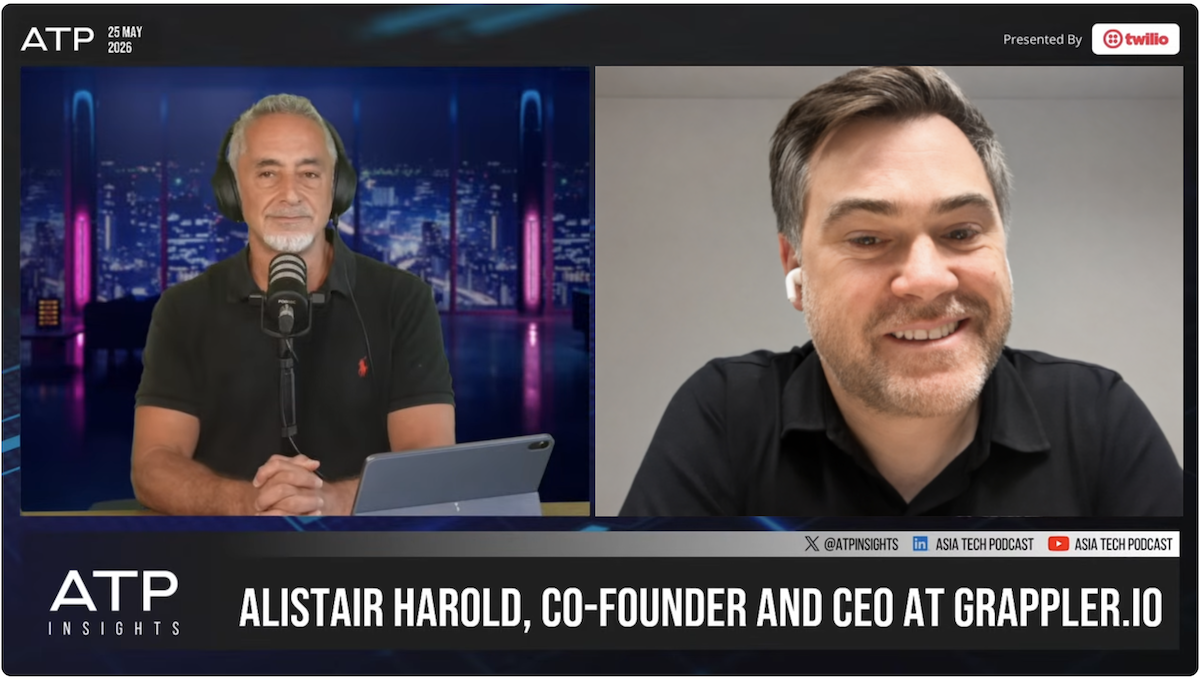
But one of the more interesting conversations from Grappler Co-Founder and CEO Alistair Harold’s recent appearance on Asia Tech Podcast wasn’t actually about AI itself. It was about process design.
Underneath many “AI transformation” stories sits an uncomfortable truth - most businesses are still running on processes that humans have patched up, worked around, or held together through experience over many years.
The spreadsheet everyone knows not to trust.
That special reconciliation exception only one person truly understands.
The month-end process that technically works, but only because someone manually intervenes at the right moment.
In many organisations, the real process and the documented process are not the same thing.
And AI doesn’t magically fix that.
To use Alistair's words, “a bad process is still a bad process.”
This is especially true in insurance accounting, where operational complexity has built up over decades across brokers, insurers, MGAs, banks, bordereaux, trust accounts, and legacy systems.
Historically, humans have bridged those gaps. Compensating for fragmented systems and inconsistent processes because they understood the operational reality underneath them.
AI agents can’t do that without structure, context and controls.
Which raises a bigger challenge the industry is only starting to talk about... How do we continue building future experts if we reduce the junior and operational roles where that knowledge is traditionally learned?
There’s a growing assumption that future teams will simply manage, review, or orchestrate AI outputs. But you can’t effectively review an output unless you understand the process behind it.
You still need to know how to “read the map”, not blindly follow the GPS.
That doesn’t mean AI won’t transform insurance operations. It already is.
Used well, AI and automation can absolutely reduce manual effort, improve visibility, accelerate reconciliation processes, and help teams scale more effectively.
But the organisations seeing the most value are typically the ones focusing first on:
- Structured and trusted data
- Operational transparency
- Process standardisation
- Context-rich workflows
- Human oversight and controls
In other words, strong foundations. Because ultimately, AI works best when paired with operational maturity, not used as a substitute for it.
That was one of the key themes coming out of Alistair’s conversation on the Asia Tech Podcast on insurance finance automation, agentic AI, operational complexity, and the future of enterprise AI in regulated industries.
You can watch the full episode below.